
Sourdough baking and recipes
Download a PDF of our top baking tips here: How to bake with Scotland The Bread flour 2020
Examples abound of citizens across the globe, modern and ancient, revolting in response to threats to the quality of their daily bread. In the UK we have our own resistance: the feisty Real Bread Campaign, co-founded by Scotland The Bread Executive Chairman Andrew Whitley. Why do we fight so determinedly for this oft-maligned staple food?
At Scotland The Bread, we don’t sell bread. We grow and mill organic, traditional grains, and these can be put to use across the baking board in bread, pizza dough, cakes, biscuits etc. Our passion, however, is now and always will be for sourdough.

Andrew Whitley, who literally wrote the Bread Matters book on sourdough, has campaigned for the revival, recognition and appreciation of slowly fermented sourdough since the 1970s. Since setting up the Village Bakery in Cumbria in 1976, which he ran until 2002, he has inspired and been inspired by a growing demand for tasty and wholesome bread made without additives, produced in a way that respects the environment as much as the health of all the people involved, from farmers to eaters.
And it is this that makes sourdough worth the valuable, essential time: the creation of a loaf that is digestible, nutritious and gentle on the fields and ecosystems that produce it. A loaf that provides meaningful, skilled employment to commercial bakers, or satisfaction when drawn out of the home oven.
For more detailed information on the nutritional and public health benefits of sourdough, read our blog post Why Bake Sourdough?. Alternatively:
- Read our sourdough FAQs.
- Find a list of the bakeries that use our flour in their sourdough.
- What makes our flour special?
- Find out how and why our flours differ to bake with.
- Read up on the higher nutrient levels in our flours compared to conventional flour.
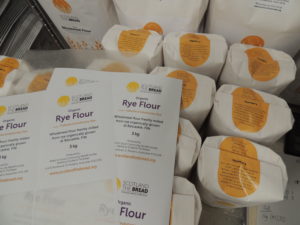
- Buy our organic heritage flour online here, or find a stockist near you.
Download a PDF of our top baking tips here: How to bake with Scotland The Bread flour 2020
Scotland The Bread flour comes from varieties that were once used to make much of the country’s daily wheaten bread. So it’s not true, as some say, that ‘you can’t make bread from Scottish wheat’.
To enjoy the flavour and superior nutritional quality of a real local loaf, all you need are a little knowledge and a few craft skills – the kind that Scots bakers were once known for before machines, chemical additives and imported grain made them redundant.
To get you started with our heritage flour we’ve put together these quick baking tips:
- Knead the dough gently and for less time than you have to when using a ‘strong’ flour.
- Be patient and ferment your bread slowly (ideally using sourdough) to develop flavour and digestibility.
- Keep the dough on the cool side (25°C or less) and go easy on the yeast to prevent too crumbly a result.
- Put the dough in the oven just before it is fully risen to encourage ‘oven spring’ (slightly ‘under-prove’, as bakers would say).
- If you’re struggling to get a longed-for lightness, sieve the flour to remove some of the bran or add a portion (up to 25%) of a ‘strong’ flour. We recommend Mungoswells organic flour from East Lothian.
- An acid sourdough is best for rye bread.
- Read our sourdough FAQs
For a longer introduction to the character of Scottish heritage flour and how to adjust your baking to get the best from it, read our blog post here.
Tried and tested Scotland The Bread recipes
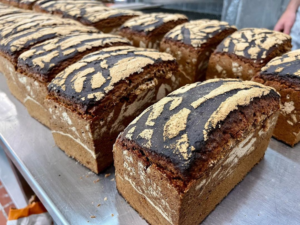
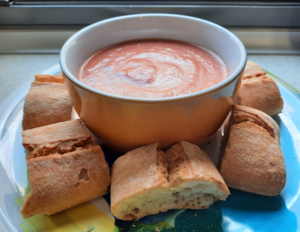
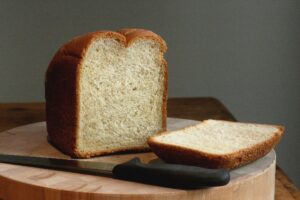
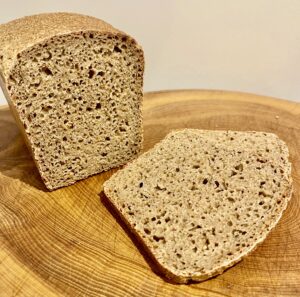
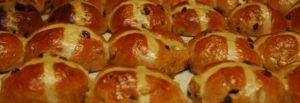
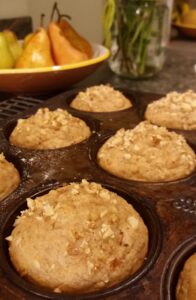
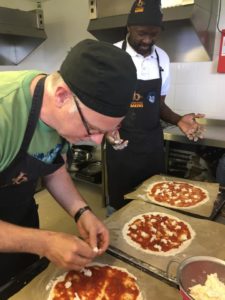

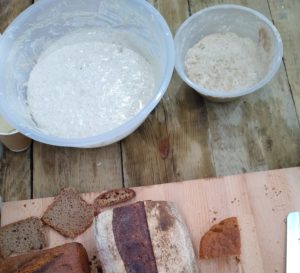
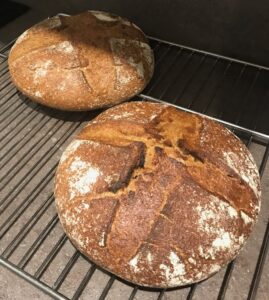
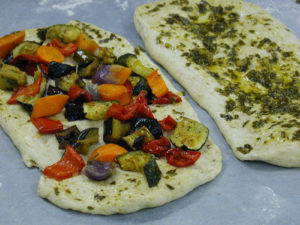
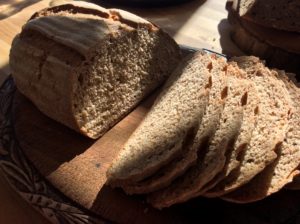
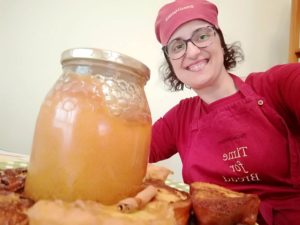
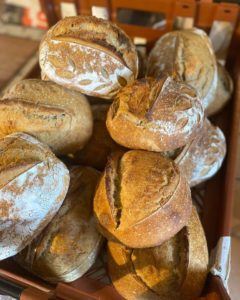
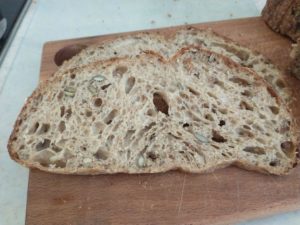
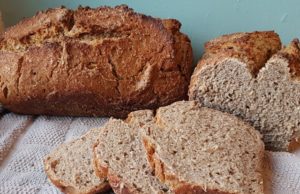
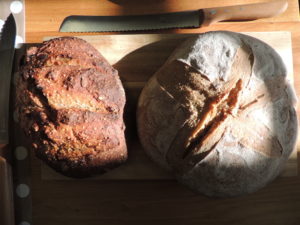
Show us yours
Please do share your baking results and feedback with us on Facebook, Twitter, Instagram or by email.